Begin with the result and the actual deposit
First define the desired finish: a broad maintenance rinse, a visible facade reset, a cleaner entry for tenants or guests, a seasonal salt-residue cleanup, or detailed restoration of selected surfaces. Then identify what is on the wall. Humidity and shade can support organic film, but a black mark may also be soot, traffic residue, oxidation, mineral scale, bird residue, or a roof drainage path. Winter can add salt and freeze-thaw exposure. Pressure alone does not identify or solve the source, and soft-wash chemistry is not a universal answer.
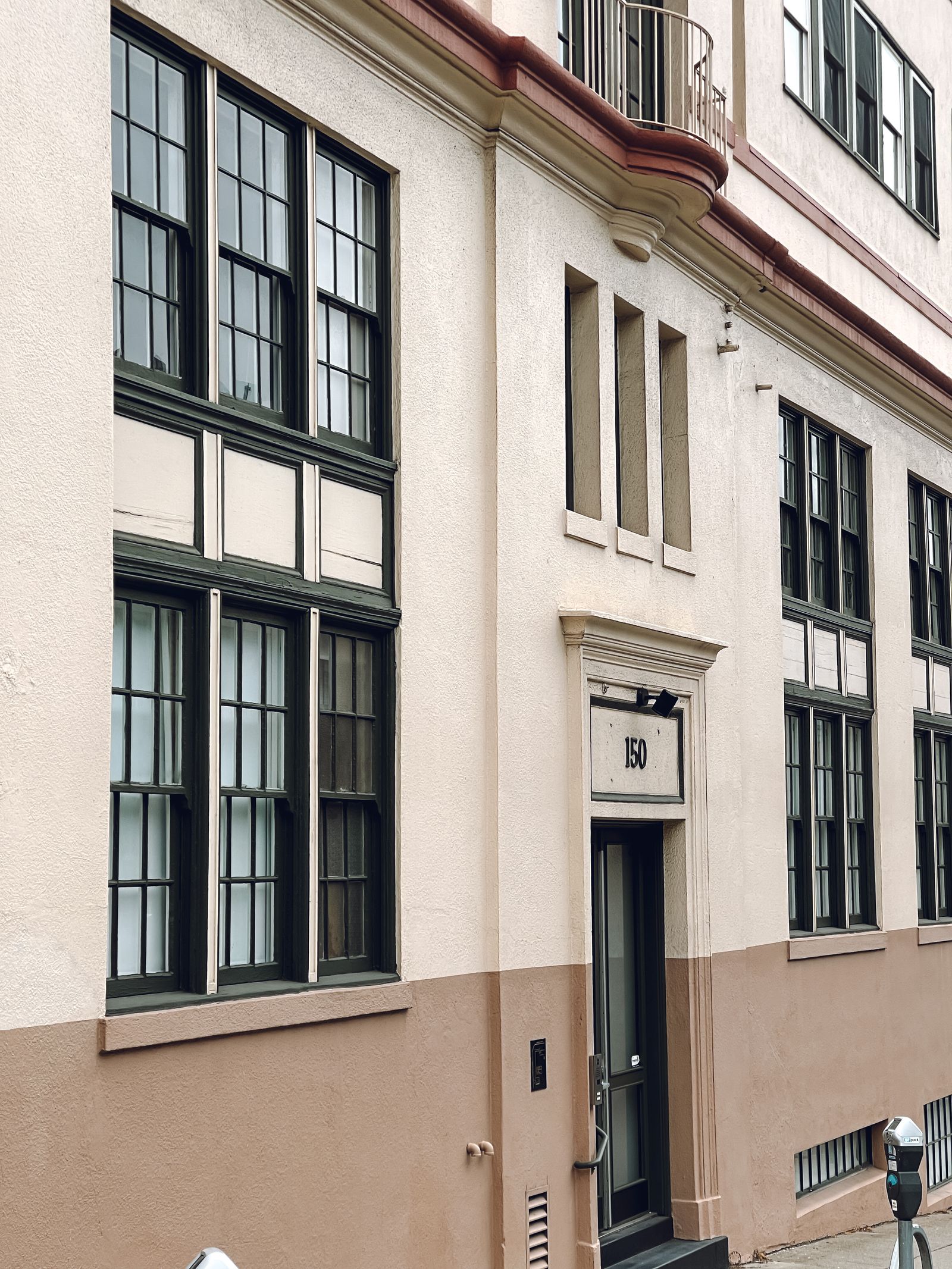
A good assessment separates brick and mortar, limestone or cast stone, concrete, glass, metal, EIFS, stucco, coatings, sealants, canopies, and lower splash zones. It notes age, repairs, loose material, open joints, paint, nearby openings, and prior cleaning. Representative testing is especially useful where masonry is older, limestone is delicate, coatings are present, or the deposit is uncertain. The proposal should state what improvement is expected and what remains outside the cleaning scope.
- Define the finish standard before comparing equipment or price.
- Identify organic, atmospheric, traffic, mineral, salt, oxidation, and drainage-related conditions separately.
- Divide mixed facades into material and exposure zones.
- Use testing and written limitations when substrate response is uncertain.
Where soft washing may fit in St. Louis
Soft washing may be appropriate for compatible organic growth, pollen, bird residue, light mildew-like staining, and some atmospheric film when product choice, dwell time, surface protection, rinse pressure, and water management are controlled. It can be useful on selected masonry, coated surfaces, or broad wall zones where mechanical force would add unnecessary risk. Lower pressure does not by itself make a process safe; chemistry can affect plants, metals, glazing, sealants, coatings, and runoff.
St. Louis conditions make exposure important. A shaded Central West End courtyard, a damp Downtown alley elevation, a tree-lined Clayton office, and a sun-facing West County wall may have different dwell and drying behavior. Rain can dilute an application or move residue toward a drain. Wind can carry mist beyond a barrier. A recurring stain below a parapet or downspout may return until the water source is corrected. Soft washing improves compatible surface soil; it does not repair the building envelope.
Soft washing should not be promised as a solution for efflorescence, bonded minerals, hard-water spotting, oxidation, construction residue, failed coatings, graffiti, loose mortar, spalling, or active leaks without a separate evaluation. The scope should identify contact work, specialty treatment, restoration, glass detail, and repairs when those are needed. Clear exclusions help an owner compare the expected result instead of comparing labels.
Where controlled pressure may fit
Controlled pressure can be considered for some durable concrete, sidewalks, service yards, loading areas, curbs, garage approaches, and compatible hardscape. The correct nozzle, distance, flow, pressure, surface condition, joint condition, and drainage plan matter. A pressure washer can move soil efficiently on a sound surface, but force can etch concrete, expose aggregate, remove paint, disturb mortar, damage sealants, drive water behind openings, or mark a coating. A pressure number without substrate context is not a complete method statement.
Industrial and service areas along I-64, I-70, Manchester Road, Page Avenue, and river corridors may have truck film, loading residue, tire marks, and durable concrete that deserve a different process from an upper brick or limestone facade. A retail parking edge may need traffic separation and a low-point review. A hotel approach or Downtown sidewalk may need pedestrians, vehicles, and accessible routes protected. The proposal should say where pressure is used, where it is not, and how the water path is controlled.
Pressure is not a shortcut for an unidentified stain. If a lower wall is repeatedly wet from a gutter, downspout, irrigation head, condensation point, or roof-edge defect, cleaning may only provide temporary improvement. The facility should document the condition and route the repair or investigation to the appropriate professional while the cleaning scope addresses removable soil.
Compare access, public movement, and water
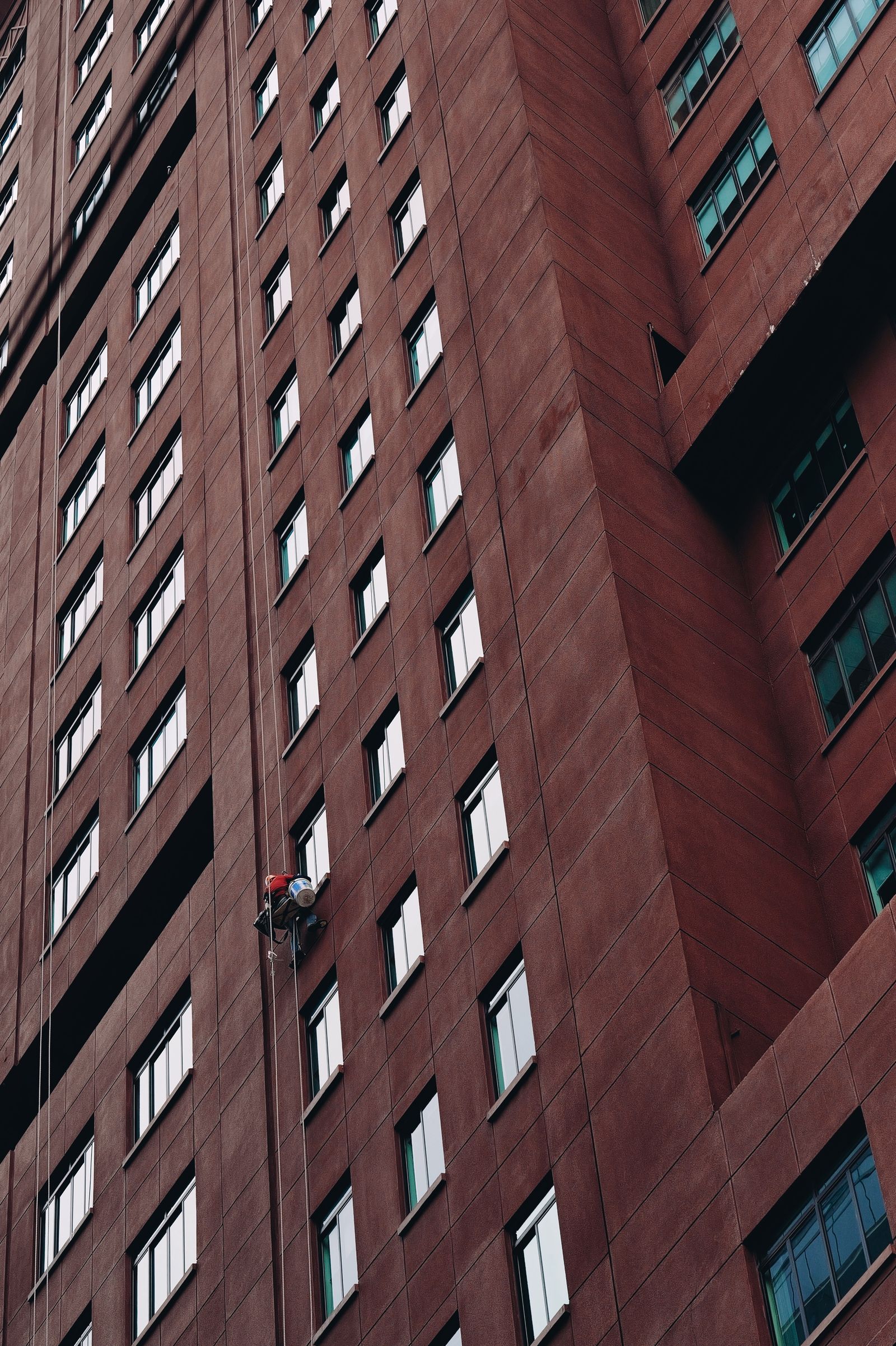
The cleaning method and access method are separate decisions. A ground crew may soft wash an accessible wall, use controlled pressure on a compatible service pad, use a pole on selected glass, hand-detail an entry, and use a lift for a recessed architectural zone. Drone assistance may support a broad upper elevation when airspace, wind, stand-off distance, line of sight, launch and recovery area, public separation, and runoff all support it. It does not provide a true squeegee finish, repair a facade, or guarantee removal of every bonded deposit.
Downtown sidewalks, Central West End balconies and trees, Clayton parking structures, West County drive lanes, and industrial utilities can make one access plan impractical. Commercial drone operations remain subject to applicable Federal Aviation Administration requirements. A lift may provide direct contact but add staging, traffic, surface-load, and repositioning considerations. A pole may fit selected glazing but not every recessed or heavily soiled detail. The quote should connect each tool to a visible result and name the fallback when site conditions change.
Water planning belongs in the comparison. St. Louis sites may drain toward curb inlets, alleys, garage ramps, landscaping, detention features, or neighboring parcels. A storm drain is not automatic authorization for treated water. Depending on the property and applicable requirements, the plan may need diversion, collection, recovery, reduced rinse volume, filtration, plant protection, disposal, or coordination with the responsible authority. Observe the first rinse and stop when the actual flow differs from the plan.
Account for the St. Louis operating calendar
An occupied building needs a sequence that respects the people inside and around it. A Downtown office may want a quiet early shift. A Central West End clinic may need accessible routes and patient drop-off. A Clayton office or hotel may have concentrated arrival periods. West County retail may need storefronts and parking lanes open. A manufacturer or warehouse may need a work window between production, trailer, and delivery movement. A school, event venue, or civic-facing property may have dates that control the schedule. The final timing must come from the facility contact.
Weather can change the method after the quote. Humidity, heat, wind, rain, lightning, surface temperature, winter residue, remaining ice, and drying time affect dwell, rinse, protection, and public safety. Snow or salt may reveal pre-existing cracks or loose material. A storm can dilute treatment and change runoff. The written scope should include pause and reschedule triggers and identify what happens if the selected access method is unavailable.
The most defensible proposal compares finish, substrate protection, public controls, access, water management, weather limits, and exclusions. It should identify included elevations, test areas, equipment, protection for entries and equipment, expected improvement, remaining deposits, and work that belongs to another trade. A low price that assumes every stain is organic or every wall is durable is not a useful comparison.
Use the quote to make a method choice
For a St. Louis comparison, send the address, photos, approximate height, materials, stain description, priority elevations, desired finish, preferred dates, water access, drain locations, landscaping, air intakes, public paths, loading conditions, tenant or security rules, and known repairs or leaks. Ask the contractor to explain where soft washing, pressure, contact detail, aerial assistance, pole work, lift access, or a hybrid method applies and why. Request the weather, access, protection, runoff, and closeout assumptions in writing.
Call +1 239-351-2897, email contact@dronebuildingcleaners.com, or use the existing quote/contact path to discuss the property. Drone Building Cleaners can help compare the method to the material, deposit, access condition, operating schedule, and achievable result. The goal is a scope the facilities team can understand before work begins, including what will be cleaned, what will be protected, what may remain, and what should be referred to another professional.